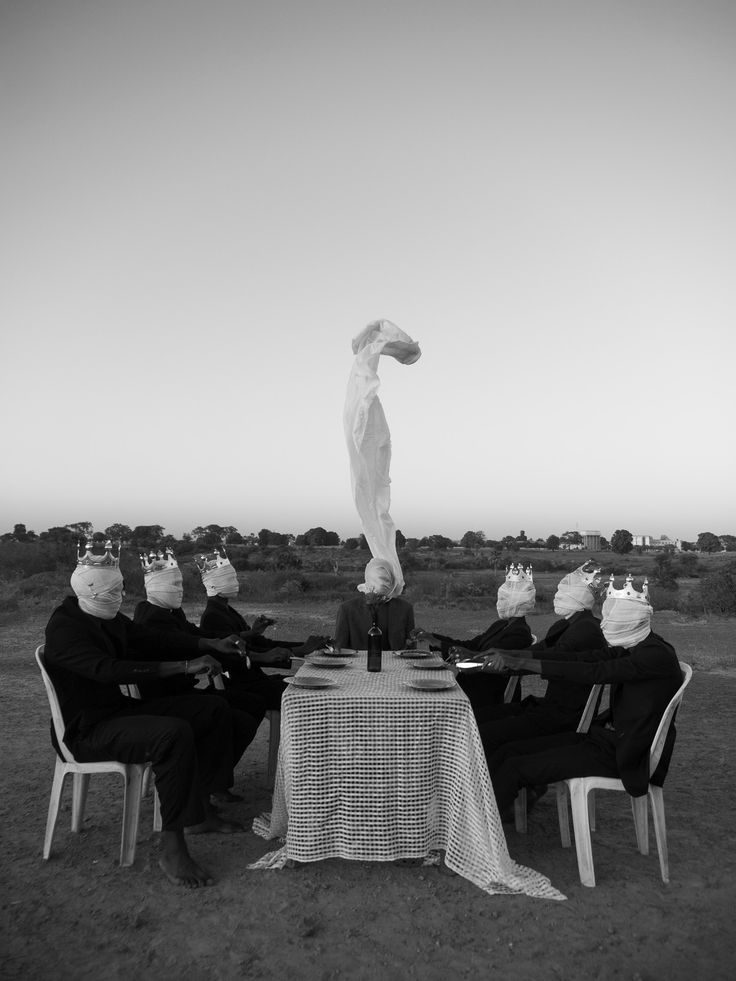
Brands Are The New Religion. And They're Losing Their Congregation.
When institutions collapse, people look for something to believe in. For thirty years, brands filled that space. The contract is fraying.
The Editors, etc. · 5 min read · From the Moon
Trust in governments is at a generational low. Organised religion is in structural decline across most of the western world. Legacy media has spent a decade dismantling its own credibility. And into that vacuum — predictably, hungrily — walked the brands.
They came with values. With purpose statements. With commitments to the planet, to communities, to a better tomorrow. They hired Chief Purpose Officers and ran full-page ads about what they believed. They stood for things. Some of them, briefly, even meant it.
And now the congregation is leaving.
"You cannot sell people a substitute for belief and then be surprised when they notice the difference."
The generation that grew up inside brand culture — that wore the logos, followed the drops, tattooed the swooshes — is the same generation now most likely to call it out. They were inside the church. They know what the sermon sounds like when no one means it.
Purpose is not a campaign. It is a standard you are now held to. Every brand that announced its values in 2020 is being graded against them today.
Brand trust in 2026 is not a communications problem. It is a behaviour problem. The brands losing their audiences are not losing them because of bad advertising. They are losing them because of a gap — visible, documented, increasingly viral — between what they say and what they do.
The brands that will matter in ten years are not the ones with the best purpose statements. They are the ones that picked a lane and stayed in it — even when it cost them something. Especially when it cost them something.
That's what belief actually looks like. And people still want to believe. They're just done being sold to about it.