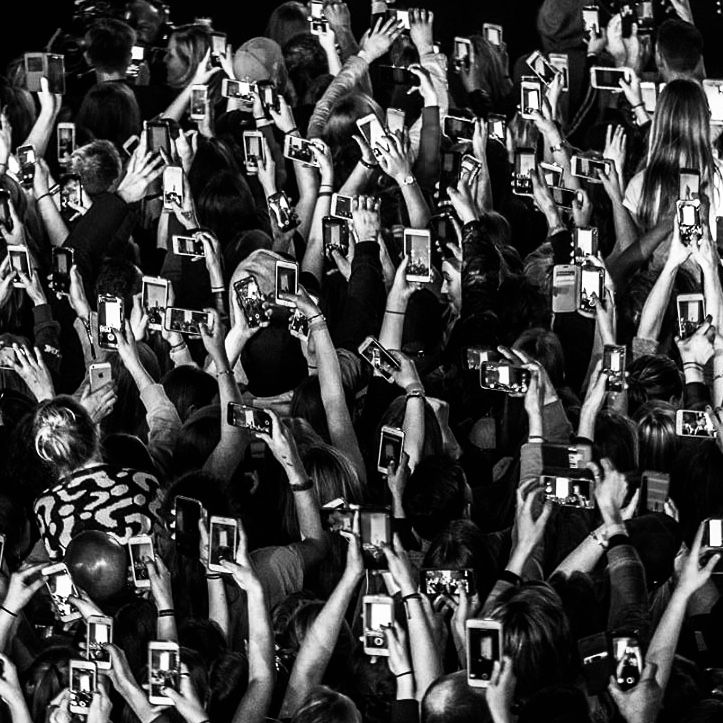
The Attention Economy Is Broke. Nobody Wants To Say It.
For twenty years, the entire industry has been optimising for a resource that is becoming worthless. The model is broken. The question is what comes next.
The Editors, etc. · 5 min read · From the Moon
The logic was simple and it seemed bulletproof. Attention is scarce. Scarce things are valuable. Therefore, whoever captures attention wins. Entire platforms were built on it. Entire careers. Entire economies.
The problem is the logic was always circular. And the circle is closing.
Attention is no longer scarce. It is fractured, exhausted, and — increasingly — weaponised against the people who have it. Consumers are not harder to reach in 2026. They are harder to reach because they have learned, at a neurological level, to not be reached. The skip button is a reflex now. The scroll is automatic. The brain filters before the eye even focuses.
"We built an entire industry on capturing attention. We forgot to ask whether captured attention was worth anything."
The metrics kept climbing. Impressions. Views. Reach. And simultaneously, trust declined. Recall declined. Purchase intent declined. The numbers went up while the thing the numbers were supposed to measure went down. The industry mostly looked at the numbers.
The shift from attention to intention is not a channel strategy. It is a brand strategy. It starts with whether you are actually worth looking for.
What comes after attention is intention. The brands breaking through in the next decade will not be the ones that interrupt most successfully. They will be the ones that people actively look for. That people recommend. That people return to not because an algorithm surfaced them but because they earned the visit.
That is a harder question than most marketing departments are currently set up to answer. But it is the only question that matters now.
The attention economy isn't ending. It's just stopping paying people who were never really building anything.