Small Agencies Are Winning. Nobody's Talking About It.
The holding companies have the floors, the pitch decks, and the case studies. The independents have the ideas. The gap is becoming impossible to ignore.
The Editors, etc. · 7 min read · Industry
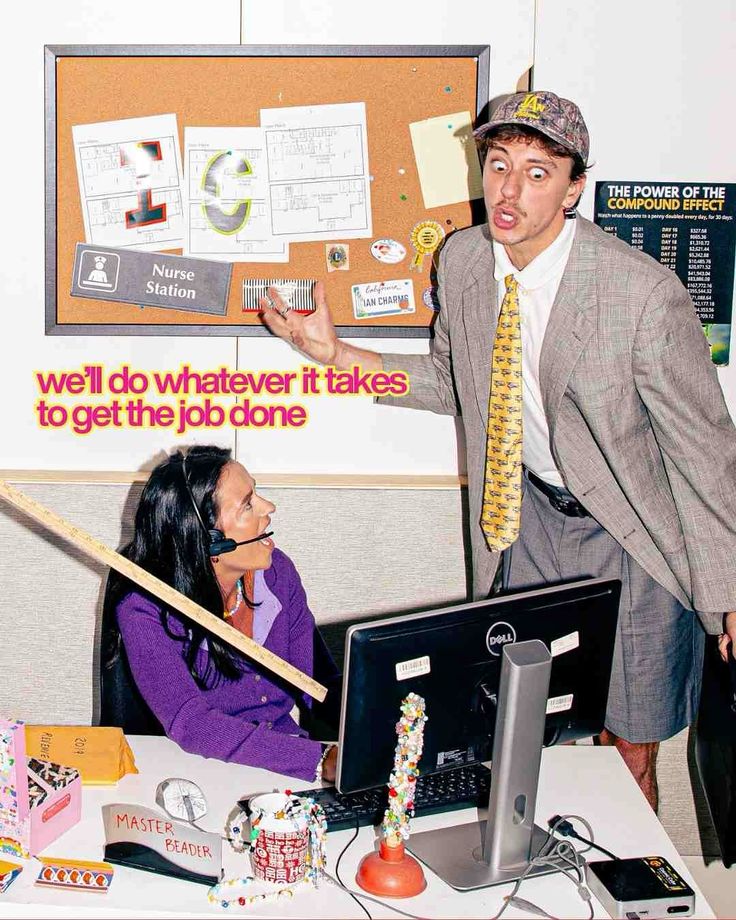
Look at the award shortlists long enough and a pattern emerges — not in the winners, but in the names. Quietly, with the kind of confidence that doesn't need to announce itself, the small agencies are arriving. Eight people in a converted flower shop in London. A six-person shop in Buenos Aires. A nine-person team in a city the trade press doesn't cover. Showing up. Winning. Moving on.
Scale was supposed to be the moat. What nobody mentioned is that you can drown in a moat.
The industry is mostly pretending not to notice.
This is not luck. It is the result of a structural shift that has been building for a decade and is, in 2026, past the point of deniability. The economics of creativity have changed. The tools have democratised. The talent has dispersed. And the one thing big agencies were supposed to have — scale — has turned out to be as much a liability as an advantage.
"The talent didn't leave advertising. It left the agency. There is a distinction worth sitting with."
The holding company model was built for an era when coordinating global campaigns across markets was rare and genuinely valuable. That era is ending. Global coordination is a software problem now, not a headcount problem. What remains scarce — what no amount of headcount has ever reliably produced — is a singular, uncomfortable, surprising idea.
Small agencies are disproportionately good at this. Not because small is inherently better. But because when there are eight people in a room, there is nowhere to hide. The idea either works or it doesn't. No layers of account management to soften the verdict. No approval process that is also, quietly, an erosion process.
The other thing the small agencies have is ownership. When the founding creative director is also the person pitching, writing the brief, and presenting the work — something important happens to the quality of everything in between. The idea does not travel through seven pairs of hands before it reaches the world.
Adweek's Creative 100 this year reads like a quiet argument for all of this. The profiles that stay with you are not the global CCOs managing thousand-person departments. They are the co-founders who left big agency life to build something smaller, harder, and more honest — and found that the work got better immediately.
None of this means size is the enemy of quality. There are large agencies doing extraordinary work. But the assumption that bigger is safer — that the network agency pitch deck represents the most responsible choice — is overdue for examination.
The most interesting creative work in advertising right now is being made by people who looked at the machine and decided, deliberately, to build something that didn't need it.
The industry will catch up. It always does. The question is whether the big shops will adapt in time — or whether by the time they notice, the independents will have already taken everything worth having.